


Industry 4.0: The Future of Intelligent Automation
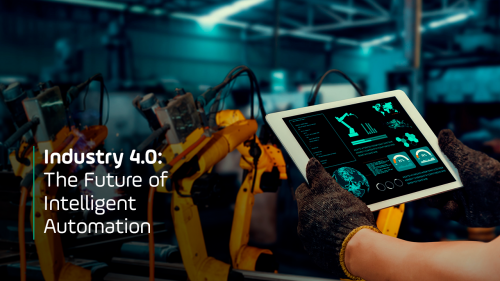
The pace at which the industrial market has evolved in recent years is remarkable. Where factories were once predominantly mechanical and isolated environments, today, the connection between machines, data, and people drives the rhythm of innovation. Companies seeking more than just productivity, but also flexibility, predictability, and sustainability need to look beyond traditional automation.
This is where a transformative concept emerges: Industry 4.0. Far more than technology itself, it represents a profound shift in how we think about and operate modern manufacturing. It's about creating an intelligent ecosystem where data flows in real-time and decisions are made based on precise information, optimizing every stage of the process.
In this article, we'll explore what exactly defines Industry 4.0, the technologies that make this scenario possible, and how your company can benefit from this revolution. Prepare to understand the future of automation and how it can become the present for your industry.
What is Industry 4.0 and Why is it Revolutionizing the Sector?
Industry 4.0 represents a new era for the manufacturing sector, based on the integration of advanced digital technologies such as Internet of Things (IoT), Artificial Intelligence (AI), Big Data, and Intelligent Automation. Its objective is to make industrial operations more connected, efficient, safe, and sustainable.
The Evolution of Manufacturing: From the 1st to 4th Industrial Revolution
To understand the impact of Industry 4.0, it's important to recall previous industrial revolutions:
- 1st Industrial Revolution: Introduction of steam machines and mechanization
- 2nd Industrial Revolution: Use of electricity and mass production
- 3rd Industrial Revolution: Automation and computers in production processes
- 4th Industrial Revolution: Integration of advanced digital technologies, real-time communication, and autonomous systems
How Industry 4.0 Differs from Traditional Models
Unlike previous revolutions, Industry 4.0 focuses on connectivity and system autonomy. Machines, sensors, software, and people interact in real-time, enabling more flexible, personalized, and efficient production.
Key Technologies Driving Industry 4.0
Internet of Things (IoT) and Industrial Connectivity
IoT enables industrial devices, sensors, and equipment to be connected to the internet, constantly collecting and exchanging data. This enables remote monitoring, automatic adjustments, and greater control over the entire production chain.
According to McKinsey research, Industrial IoT (IIoT) can reduce downtime by 30-50% and increase productivity by up to 30% in manufacturing operations¹.
Artificial Intelligence and Machine Learning for Automation
AI and machine learning enable machines to make intelligent decisions based on data. Autonomous systems adjust production lines, detect failures, and optimize processes without human intervention.
According to PwC's 2025 AI Jobs Barometer, AI-exposed industries show 4.8x higher productivity growth compared to less exposed sectors, with revenue per employee growing nearly quadruple since 2022².
Big Data and Predictive Analytics for Operational Efficiency
With the massive volume of data generated in manufacturing, Big Data tools help identify patterns and predict problems. Predictive analytics is essential for anticipating maintenance, adjusting inventory, and avoiding waste.
3D Printing and Additive Manufacturing for Product Customization
Additive manufacturing allows creating parts and products on demand, with greater customization and lower cost. This model makes production more flexible, reduces development time, and optimizes material usage.
Key Benefits of Industry 4.0 for Companies
Reduction of Operational Costs with Intelligent Automation
Automation eliminates manual tasks, reduces errors, and optimizes resource usage, allowing companies to have greater control over expenses and increase their profit margins.
Increased Efficiency and Production Process Optimization
Integrated systems provide continuous production and real-time monitoring, facilitating bottleneck identification and production flow improvements.
Enhanced Safety and Predictive Equipment Maintenance
Equipment monitored by IoT sensors can anticipate failures and schedule maintenance before breakdowns occur, ensuring worker safety and reducing unscheduled downtime.
Sustainability: How Technology Reduces Waste
With precise data and predictive analytics, companies can minimize raw material waste, reduce energy consumption, and implement more sustainable practices.
How to Start Digital Transformation in Your Company?
Step 1: Assessment of Operation's Digitalization Level
The first step is conducting a diagnostic to understand the company's digital maturity level and identify areas with improvement potential.
Step 2: Choose the Right Technologies for Your Needs
Not all solutions need to be implemented at once. It's essential to choose technologies that best meet the company's needs and strategic objectives.
Step 3: System Integration and Team Training
Integration between legacy systems and new digital solutions is fundamental to ensure fluidity and efficiency. Additionally, training employees to handle these new tools is essential.
Step 4: Continuous Monitoring and Digital Evolution
Digital transformation is a continuous process. It's important to monitor results, adjust strategies, and constantly evolve, adopting innovations as they emerge.
Conclusion
Industry 4.0 is no longer a trend, it's an urgent reality for companies that want to remain competitive in today's landscape. The combination of intelligent automation, IoT, AI, and data analytics provides significant gains in efficiency, productivity, safety, and sustainability.
Mouts IT can help your company implement tailored, intelligent solutions, ensuring an efficient transition to this new era of manufacturing.
Contact our specialists and transform your industry now!
Ready to embrace the future of manufacturing? Our team specializes in Industry 4.0 implementation strategies that deliver measurable results. Get in touch today to discuss how intelligent automation can revolutionize your operations.
Related news
Innovation, the global market and divers topics about the technology universe are currently available on our blog.
 Cases
Cases
Big Data in energy: how to manage data in the energy sector?
The energy sector is one of the fundamental pillars of the global economy, driving everything from large industries to domestic consumption. With the advancement of digital technologies, the amount of data generated in this sector has increased exponentially, making Big Data an essential tool for companies seeking to stand out in a competitive market. But how to collect and analyze this data effectively? And what are the benefits of a well-done analysis?
 Cases
Cases
Energy and sustainability: 3 innovative technologies in the energy sector
Sustainability has become a central issue in the energy sector, driven by the need to reduce environmental impact, ensure energy security and meet growing demands for cleaner energy sources. With increasing pressure to reduce carbon emissions and adopt more sustainable practices, the sector faces significant challenges, but also promising opportunities.
 Cases
Cases
Why is cloud migration important for the energy sector?
Energy market professionals can already see that the sector is undergoing a significant transformation, driven by the need for greater efficiency, sustainability, and innovation. Amid these changes, cloud migration has stood out as one of the main strategies for companies looking to optimize their operations, reduce costs and improve collaboration.